


Individual Profiling and Corporate Profiling
September 16, 2025
Legal Solutions & Child Abduction Investigation
September 19, 2025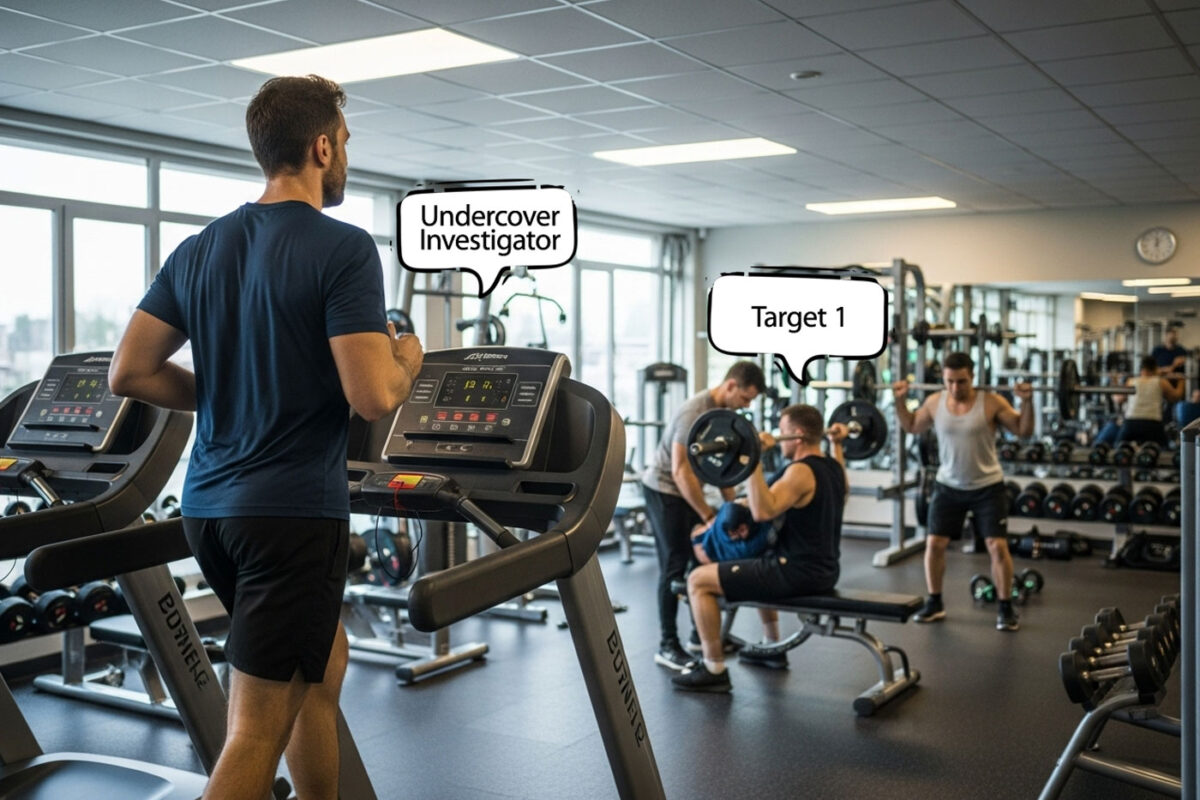
Only senior private investigator are trusted to take on special assignments like Undercover Investigation. This type of work requires advanced disguise techniques to blend in, gather accurate information, and stay completely undetected.
An undercover investigator needs to be quick-thinking, intuitive, calm under pressure, and highly analytical. They must be able to adapt to different roles depending on the scenario, interact naturally with people, and blend into any environment. Confidence, subtle acting skills, and careful communication are key to making the disguise convincing.
At Private Investigation Team, we have extensive experience in undercover operations. Based on the detailed information provided by clients, we carefully design scenarios, assess potential risks, and prepare multiple backup plans (A, B, and C). We also study the target’s habits, environment, and all related details to make the operation run smoothly.
Why Preparation is Crucial
Carrying out an undercover investigation requires thorough preparation. Investigator must not only be highly experienced in surveillance and monitoring but also have excellent memory, strong observation skills, and the ability to recognize faces, body language, and behavioral patterns.
In corporate cases, for example, an undercover investigator may even join a company through formal recruitment (arranged with the client) to observe internal misconduct.
We have successfully applied undercover methods in cases such as:
- Corporate fraud involving insiders
- Child abduction cases where one parent hides the child
- Other highly sensitive cases that cannot be disclosed publicly
How Long Does It Take?
The duration of an undercover assignment varies depending on the situation and scenario. In a company, it usually lasts 1–3 months, while other cases may take 2–6 weeks.
Unique Skills of an Undercover Investigator
What sets undercover investigator apart is their ability to directly interact with the target—often spending time with them, building trust, and gathering intelligence without arousing suspicion.
Unlike open or hidden surveillance, undercover work demands acting skills that feel real—not exaggerated like in movies. Investigators must remain calm, patient, and quick to redirect conversations if suspicions arise. In many ways, they are like intellectual actors, performing smoothly in real-life situations.
The Risks Involved
Being an undercover investigator is never easy. There are risks that must constantly be managed—such as being observed by people nearby, monitored by CCTV, or overheard during phone calls. Every move must be cautious and deliberate.
This is why creating the right scenario and having accurate client information is so important.
Not Just Intelligence Work
While similar to intelligence gathering, undercover private investigations are different. Intelligence agents undergo specialized education and training, but private investigators rely heavily on practical field experience, adaptability, and strategic role-play to obtain critical information.
Real Cases from Our Experience
We’ve carried out undercover investigation in various settings, such as:
- Joining a fitness club to monitor an individual’s activities and uncover their close associates.
- Disguising as an investor to approach a persuasive individual who had been convincing others to invest. By interacting directly, our team gathered valuable evidence, including recorded conversations and detailed insights into the target’s network and working style.
These cases highlight how certain truths can only be uncovered through undercover strategies—despite the risks and challenges involved.
Do You Have What It Takes?
Becoming an undercover private investigator is not for everyone. It requires patience, resilience, sharp instincts, and years of investigative experience. But if you’re curious, you can start by learning more about the private investigation field and gaining real-world experience. Who knows—you might discover a hidden talent.